I ♥ MACRO (among other things).
One of the things I like doing on countries I spend some time in is to have a macroeconomic opinion on it. Are the people there creating value and wealth? Is hte current situation sustainable? What direction does the country seem to take? etc
I am interested about the possible scenarii tha can happen during the next 5 to 10 years. Projections beyond 10 years are in my opinion in the field of big ideas and ideals, which is out of the scope here.
Please bear in mind that I do not know if I am correct on my assumptions. Those are not investment advice. But I intend to put my money where my mouth is and try to device a bet on my take.
When one talks about macroeconomy, figures, numbers and charts are usually displayed… Curiously, those are things I have a very hard time remembering and I can’t be bothered to reproduce them here. I think my rationale is that I can always look them up at Wikipedia and websites like Statista. Getting the logic, the dynamics and the trend is enough for me.
What I usually look up are:
- the comparison of growths between the country’s GDP and debt levels
- the part of the public sector in the GDP growth
- the current trade balance
- the holders of the debt (domestic or foreigners)
- the rate of savings
- the currencies in which the debts are denominated
Other funny things to know:
- the country’s central bank’s monetary policy
- the internal political landscape
- the geopolitical situation of the country
Ultimately, all these passionate stuff may allow me to conclude on:
- the capital inflows or outflows of the country
- the sustainability of the value and wealth process of the country
- the probable timeframe of the status quo
One thing that helped me a lot to understand macroeconomy is the following equation (kudos to Mr Charles Gave):
GDP = Consumptions + Government Spendings + Investments + (Exports – Imports)
GDP represents the value of the goods and services produced by the public AND private sectors. This equation simply illustrates the equilibrium between the goods and services produced by a country with the consumption and outflows of those. Also, despite the mathematical formalism, the equation should be understood as a simple conceptual equality.
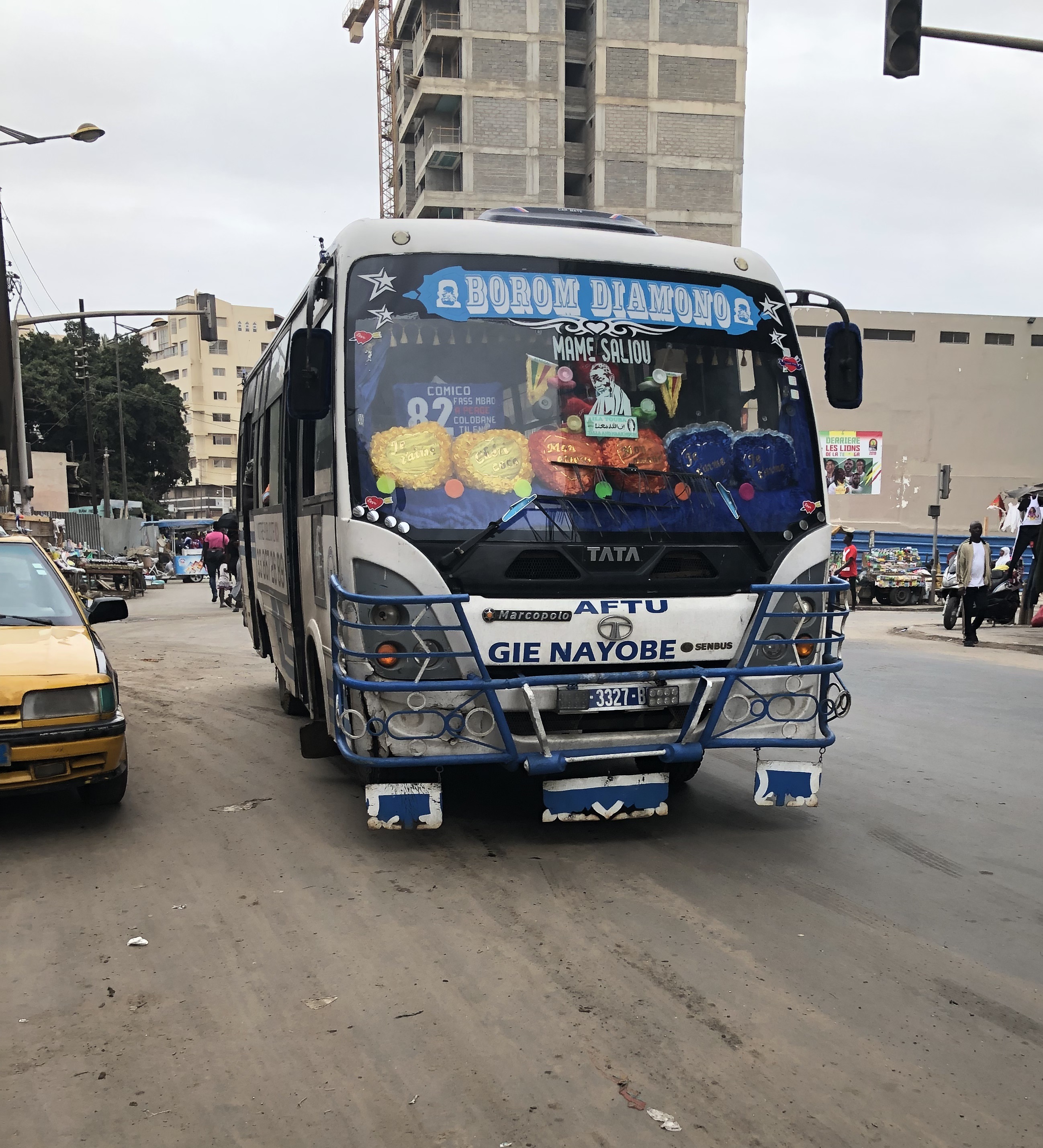
So, what do I feel about the macro of the beautiful country of Senegal?
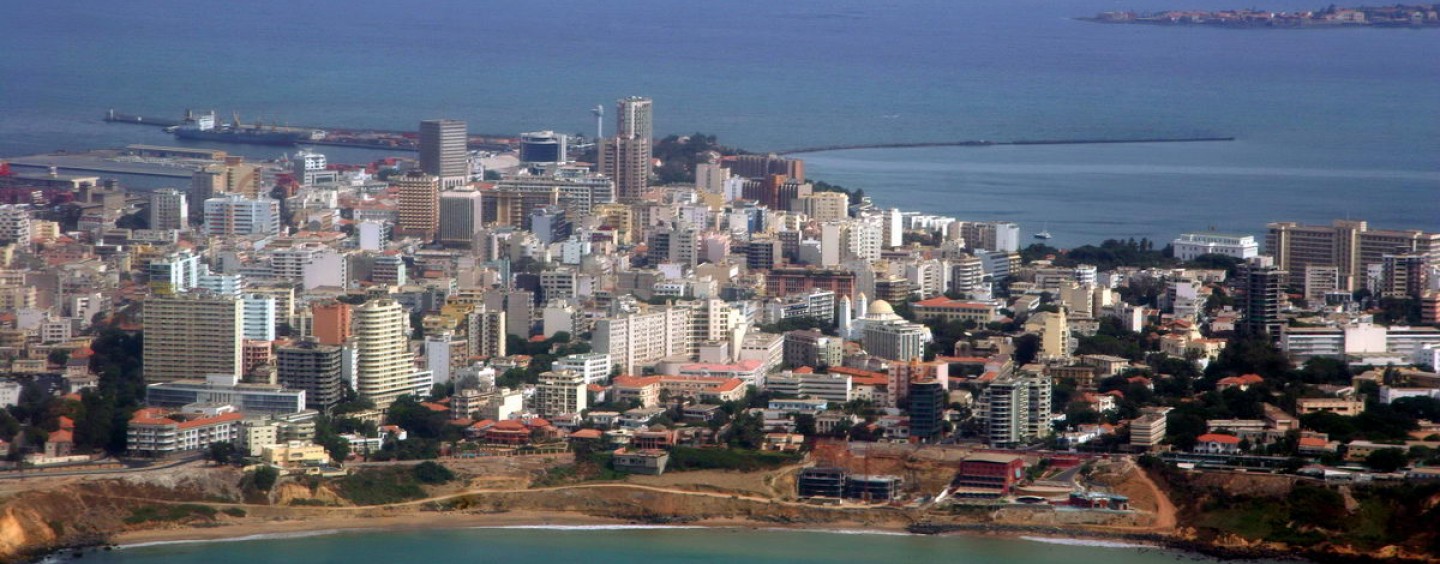
In overall, for the last few years, the growth of national debt (“Government Spendings”) has outpaced the GDP growth. This depicts a lack of efficiency in the in the investments the country has been understaken (eg. spending $100 cash to get $60 of value…) . According to the “GDP equation”, it means other items on the right have decreased. A serious macroeconomist would look into the dynamics between “Consumptions”, “Investments” (includes savings) and “Exports – Imports”. But I am lazy and my guts tell me that the trade deficit has been dwarfing all the other items.
In brief, Senegal has been living on credit and borrowed which does not necessarily mean it is a bad thing (eg. Japan).
So let’s take a look at who holds that debt and in which currencies.
The majority of the debt is held by external investors as the level of household savings is not enough to finance the deficits. Throw in the fact that the country has a structural current account deficit (“Exports – Imports” being negative), which probably results from a lack of competitiveness of its industry (and other factor). All this implies a probable continuous ballooning of the debt in the forseeable future. As the debt is hled by foreigners, it would hit a wall and Senegal can suddenly find itself devoid of funds (kicked out of the monetary union and then hyperinflation). Not a very good start.
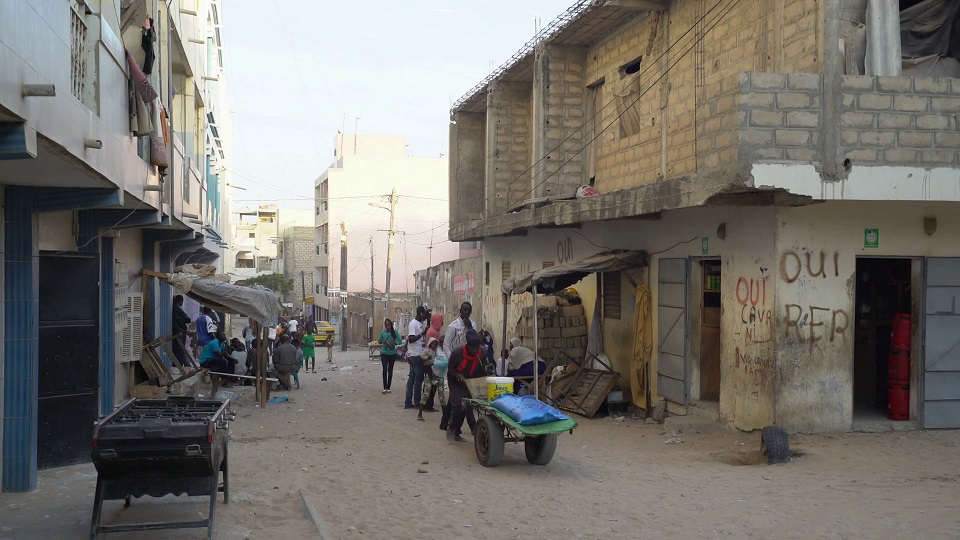
And now, some words about Senegal’s currency, the Franc CFA (FCFA).
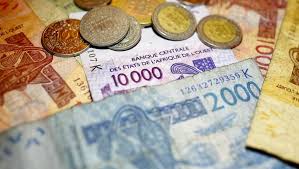
Senegal is part of Economic Community Of West African States (ECOWAS). The main point of that Community is the usage of the common currency: the Franc CFA. This currency has a fixed exchange rate with the Euro. It allows ECOWAS countries to have a credible and stable currency.
My point of view on this equivalent to the one I have on the Euro: a unique currency shared by several countries with different maroeconomic characterics. In the good old time of currency diversity, when one country was not competitive, it would simple devalue its currency to make its products and services cheaper. And as the sales and exports got better, the currency revalued itself due to the accumulation of foreign currencies (less float compared to their own float).
In the case of a unique currency, devaluation and revaluation are no longer possible. Over the long term, it makes the competitive countries more competitive and the least competitive countries void of their industries and indebted. The main point of creating Euro, making it the preferred trading currency of the world, failed. Euro have evolved into an instrument of subjugation for a few in the Eurozone.
In the case of Senegal, I think the FCFA is overvalued regarding their level of producivity and competitiveness. Which makes importing products more convenient than trying to produce them locally.
So Senegal will probably see its debts growing in the near future until reaching a critical point (the country is already spending 32% of its fiscal revenues to pay the INTERESTS of the debt lol). What makes the situation even more interesting is that Senegal’s problems will also become the ECB’s problems and probably some Eurobanks’ skeletons (ahem like Société Géniale and BNP as they are probably bagholding Senegal’s debts).
So, a pretty much FUBAR situation in my very humble and uneducated opinion.
Nah, not everything is that bad for Senegal
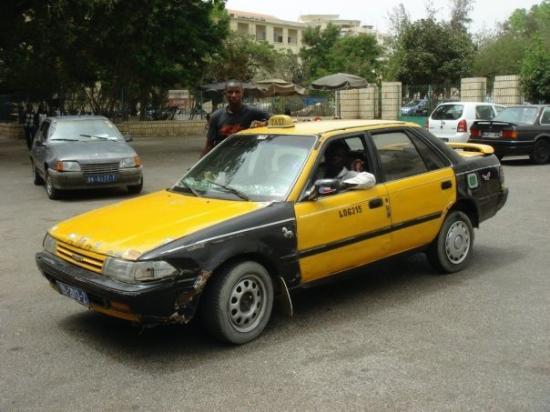
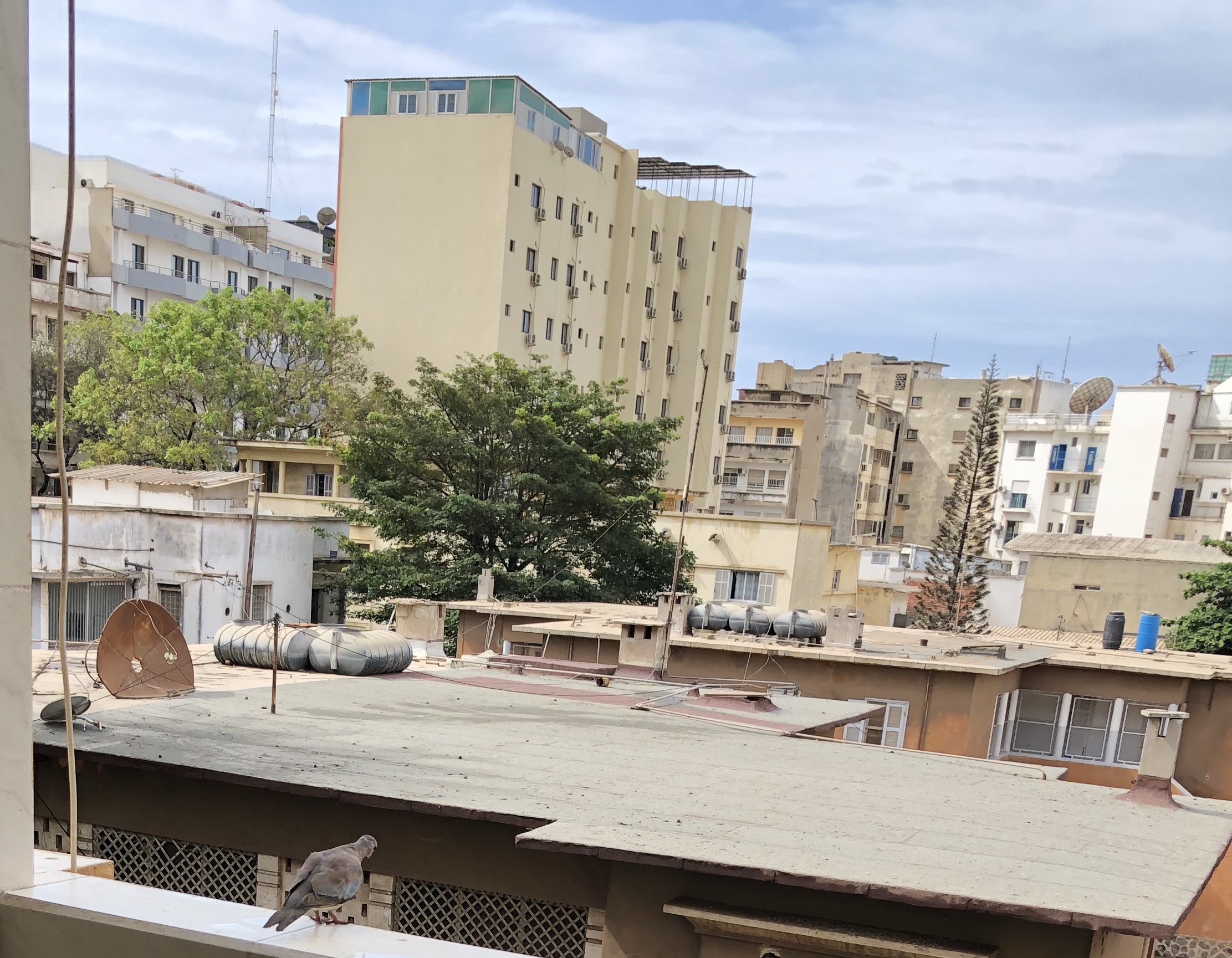
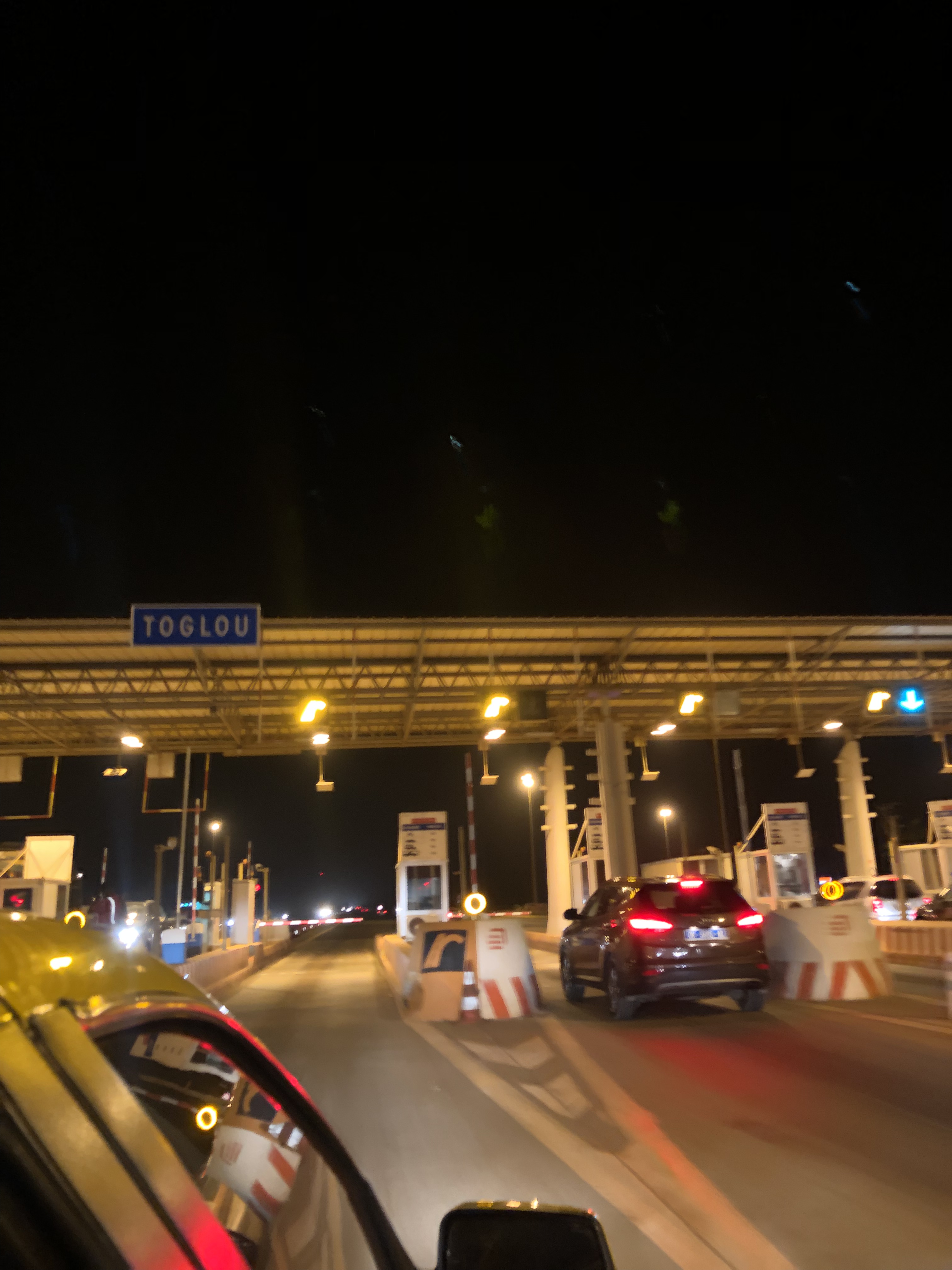
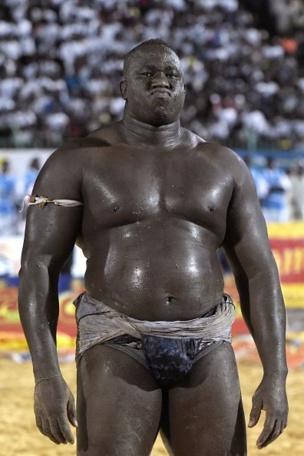
Dear readers, can you link each picture to its paragraph?
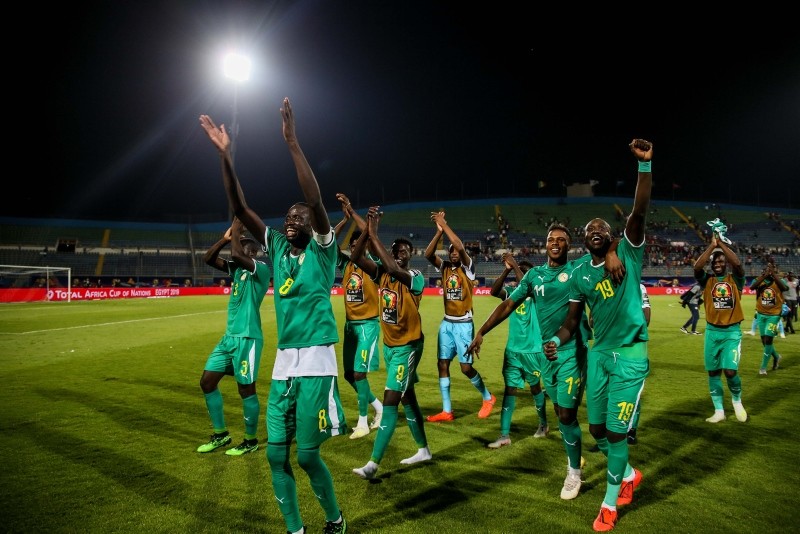
First, Senegal’s Lions of Teranga are going to play the finals in the African Nation Cup (unlike Madagascar’s football team… I fully support the decision of a guy in my MBA batch to leave this country of losers).
Senegal has actually a diaspora in the world that sends back a non negligeable amount of money back. The amount was estimated at $2.2B in 2017 and is said to grow in the coming years. The figure should be compared to $21B of the 2017 GDP.
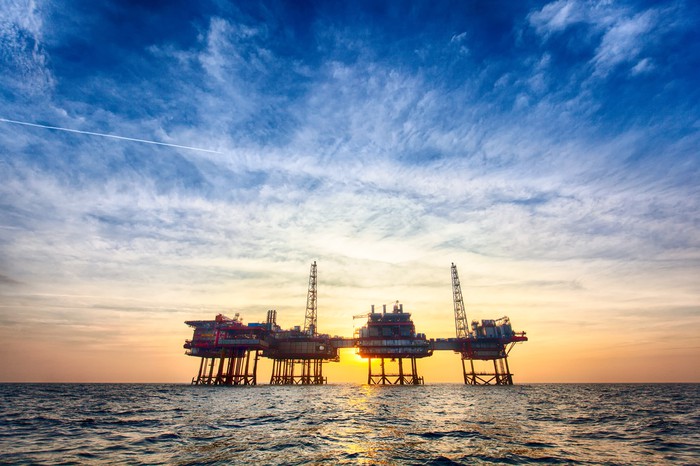
Besides, Kosmos energy, an American oil & gas company, made a deal with Senegal and Mauritania to exploit natural gas on their seashore, probably providing income to Senegal.
These factors contribute to the delaying of the debt wall or even to the sustainable development of the country, who knows???
So what does all that shitpost mean?
I am merely stating the raw facts and I know that presented as is, the logical link is far from obvious. But I will be glad to answer the questions you, my Dear Readers, may have.
Ultimately, Senegal is not creating value and most of the debt is gone toward unproductive investments. The current situation will hold until the critical debt level is reached (ECOWAS said national debt should not reahc 70% of GDP). Senegal is spending something like 32% of their revenues for their debt service (interest payments).
I think it is highly probable that some kind of financial and monetary problems will happen during the next 5 years. Problems that might impact financial institutions in Europe.
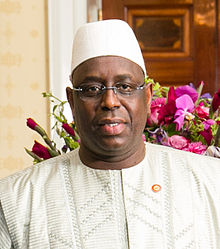
Let’s toss in the quaint democratic traditions in Senegal. I am pretty sure the ballooning debt has something to do with kick-backs and favors to return from the current men in power.
What I think is happening in Senegal is:
- individuals and companies do business in Senegal and make money
- most of the money comes in more or less directly from debts issued by the government
- most investments done in Senegal are not productive and/or sustainable
- things will go on as long as Senegal can borrow money
And doing business is not that “hard” as getting decent things is not easy in Senegal. Providing decent quality products and services at decent prices(but high margins) is enough. Many businesses here are just simple “trading companies”: buy cheap stuff from somewhere and sell it in Senegal for enormous margin (I talked to a guy telling me that 1 ton of spaghetti costs $400 somewhere in the Middle East can be resold for $3000 in Senegal).
How do you make money of all this shitpost?
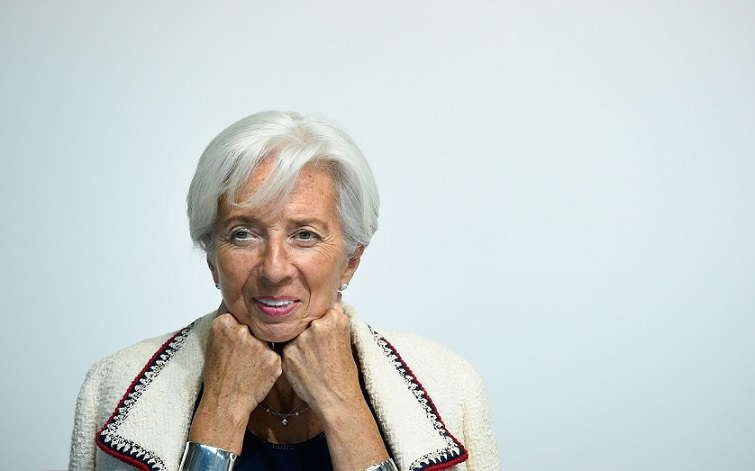
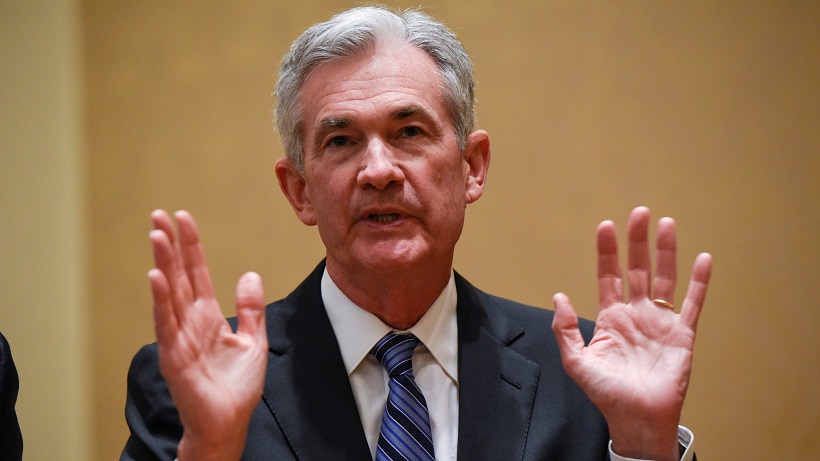
Truly THE couple of 2019
If you believe in uncle Powell (the US FED Chair) and his power over the control of the global markets and in the dovish stance of Mommy TheGuard, then going long Senegalese bonds for the time being may be a good idea. Uncle Powell is hinting at cutting rates in the coming months which should please greatly his European counterpart.
Rate cutes means more money to buy financial stuff. Any kind of financial stuff, especially those emerging market bonds with juicy interest rates denominated in developped nations’ currency (like Euro), which nullify the forex risk. And going long their equity market.
I am bearish over the long term state of affairs of Senegal. As I don’t know the time frame for that scenario to realized, I wouldn’t short just yet.
Remember that this is not an investment advice, just my sentiment on how to play my thesis. I am still looking for instruments to execute those bets.

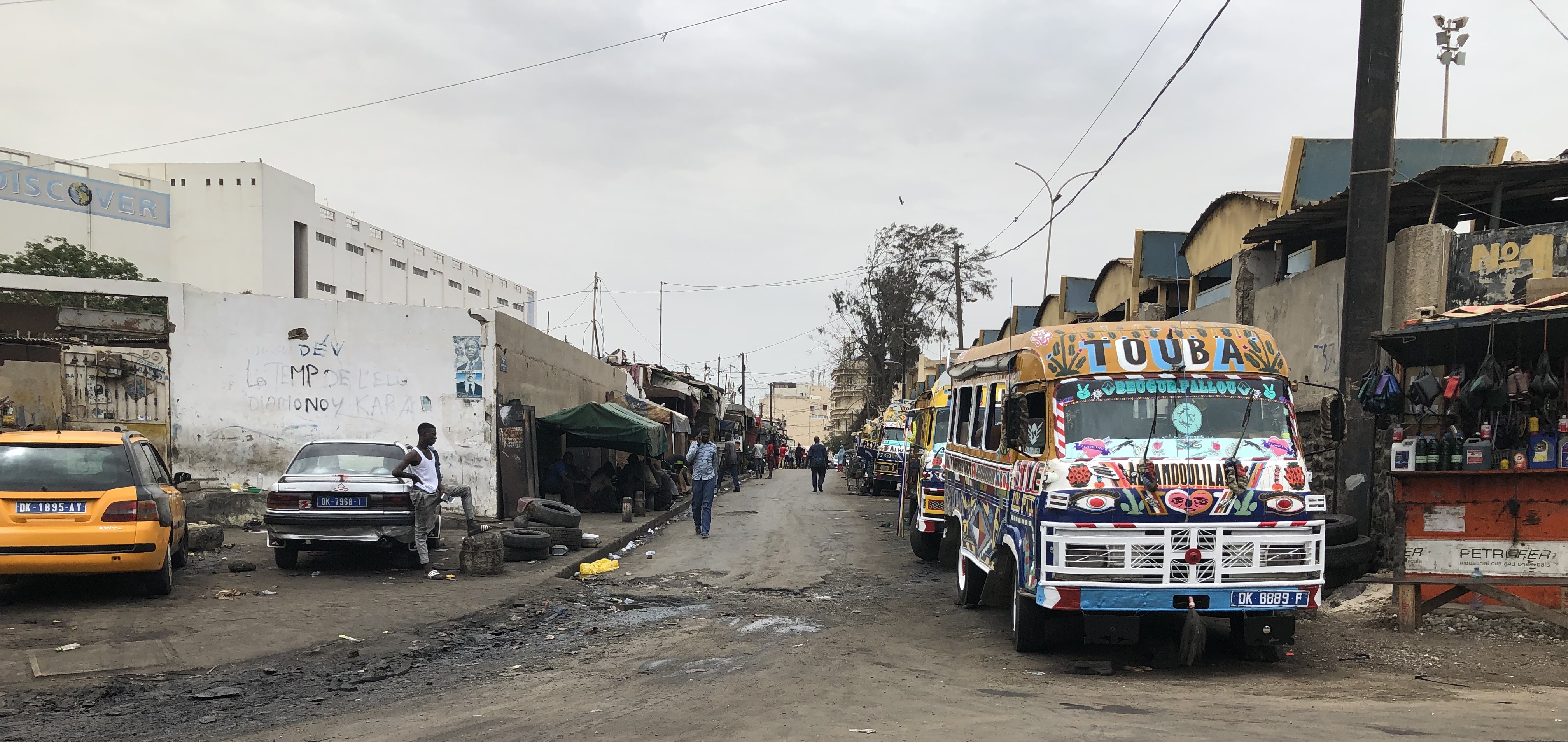

 Impressions and Thoughts from Dakar